
Beds
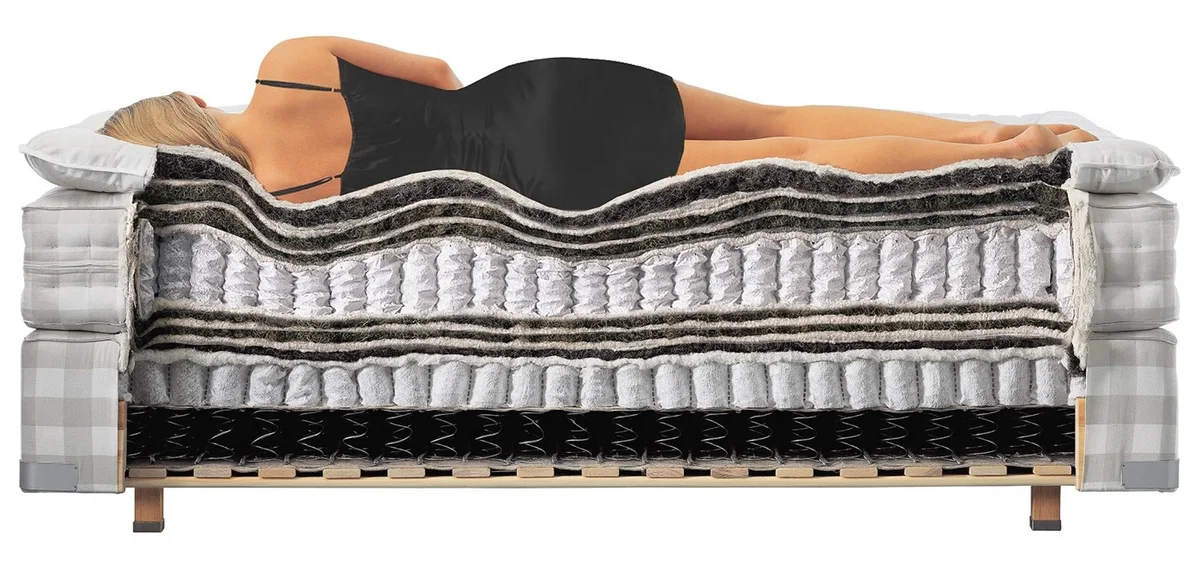
The bed is one of the most important elements of any bedroom. A good quality bed contributes to a healthy sleep and regeneration of the body during the night. A poorly chosen bed can cause back pain, restless sleep and an overall reduction in quality of life. A properly designed bed provides optimal spinal support, minimizes pressure on the joints and promotes deep, undisturbed sleep.
Cleaning mattresses, comforters and bedding contributes to improved sleep quality. Professional services are offered by our mattress cleaning company, which provides services to clients in the areas of deep mattress cleaning, mattress steam cleaning, mattress disinfection, mattress ozonation, mattress impregnation, including the sale of special mattress cleaners according to your requirements in top quality according to our internal company standards, IICRC™ guidelines and standards and expertly implemented POTEMA®, VIROBAG®.
In conjunction with sleep experts and after much research testing, we have found ozone to be a very effective natural disinfectant. In 2015, we founded the brand HEALTHY SLEEP® and started to figure out how to disinfect things like mattresses and bedding.
What features should a healthy bed have?
A healthy bed should meet several key parameters:
- Quality of construction – A stable frame with no creaks or unwanted movement.
- Good mattress support – The grid or other support system should ensure even weight distribution.
- Customization to individual needs – Selection of the appropriate material, size and height of the bed.
- Sanitation and hygiene – The design of the bed should allow sufficient airflow to prevent mould and allergens.
Hotel beds: comfort and luxury every night
Hotel beds are designed to provide guests with maximum comfort and healthy sleep. Luxury hotels invest in high-end beds that combine quality mattresses, ergonomic mattresses and premium bedding.
Features of hotel beds
- High quality materials – Hotel beds tend to feature premium mattresses with high load-bearing capacity.
- Comfortable height – Hotel beds are often higher, making it easier to get up and down.
- Spring or hybrid mattresses – These mattresses provide optimal body support while being resistant to deformation.
- Luxury bedding – Duvets, pillows and sheets are selected with an eye to maximum comfort.
Beds for allergy sufferers: healthy sleeping without compromise
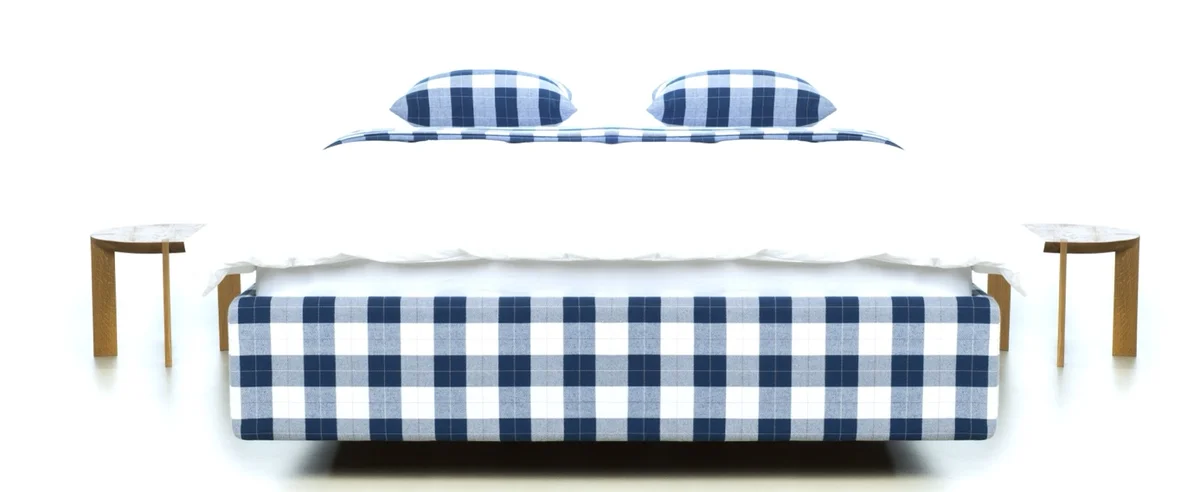 Allergy sufferers need specially designed beds that minimize dust mites, dust and other allergens. Modern beds for allergy sufferers are made of materials that do not allow dirt to settle while providing comfortable body support.
What features should an allergy bed have?
- Hypoallergenic mattresses – Special foam or latex mattresses prevent dust mites from multiplying.
- Washable grid – Materials that are easy to clean are key to a healthy sleep environment.
- Minimalist Design – Beds with simple designs make maintenance easy and eliminate hidden dust spots.
- Drainable Covers – Mattresses should be equipped with removable and washable covers.
Thanks to these features, allergy sufferers can enjoy a healthy sleep without worrying about irritation or allergic reactions.
Bed types and their effect on healthy sleep
There are many types of beds on the market, which differ in construction, materials used and ergonomics.
Wooden beds– Wooden beds are popular due to their strength, durability and natural look. They are made from solid wood such as oak, beech or pine.
Metal beds – Metal beds offer elegant design and durability. They are less prone to damage and can be an ideal choice for modern interiors.
Boxspring beds – Often used in hotels, these beds have a special spring base that provides high comfort and optimal spinal support.
Adjustable Beds – Beds with adjustable mattress tilt are ideal for people with mobility limitations or those who like to read or watch TV in bed.
How to care for your bed properly
To ensure that your bed provides a healthy sleeping experience for many years, it’s important to care for it properly.
Basic bed care rules
- Regular ventilation – The bed should be ventilated regularly to prevent moisture build-up.
- Mattress protector – Using a mattress protector extends the life of the mattress.
- Cleaning the grid – Regularly removing dust and dirt from the bed structure contributes to a healthier environment.
- Correct placement – The bed should not be placed directly next to a radiator or in areas of high humidity.
Beds and the effect on sleep quality
An unsuitable bed can cause:
- Back and joint pain – Inadequate body support leads to muscle overload.
- Disturbed sleep – A bed that is too soft or hard can interfere with deep stages of sleep.
- Breathing problems – Old or poorly maintained beds may contain dust and allergens.
In contrast, a properly chosen bed contributes to:
- Better body recovery – Spinal support and proper weight distribution allows for deep sleep.
- Higher energy upon waking – A quality bed helps reduce the number of night wakings.
- General health – Proper sleep promotes mental and physical well-being.
Summary
Choosing the right bed is essential for healthy sleep and overall well-being. Whether you opt for a hotel bed, an allergy-friendly option, or a traditional wooden construction, it’s always important to consider the quality of materials, ergonomics, and personal preference. Investing in a quality bed pays off in the long run, as it contributes to healthy sleeping, body regeneration and a better quality of life.